
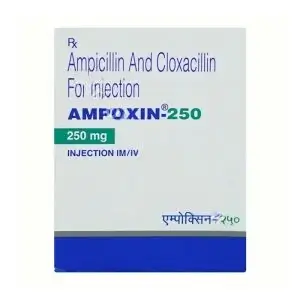
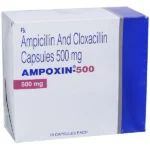
Ampoxin 250mg (Ampicillin/Cloxacillin)
Previous product
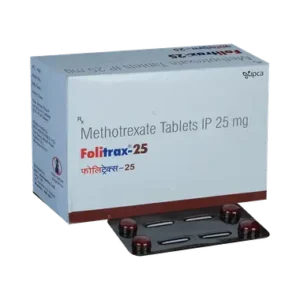
Folitrax 25mg (Methotrexate)
$84.00 $230.00Price range: $84.00 through $230.00
Next product
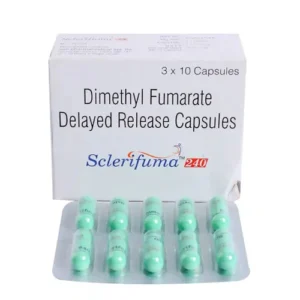
Sclerifuma 240mg (Dimethyl fumarate)
$60.00 $155.00Price range: $60.00 through $155.00
$15.00 $25.00Price range: $15.00 through $25.00
In Stock
In Stock
Ampoxin 250mg (Ampicillin/Cloxacillin)
| Pack Size | Price | Quantity | Add To Cart | |
|---|---|---|---|---|
| 60 Capsule/s | $15.00 | |||
| 90 Capsule/s | $20.00 | |||
| 120 Capsule/s | $25.00 | |||
| Want to order in bulk / B2B price? Send Inquiry | ||||
×
Sorry!! Out of Stock
Sorry! Ampoxin 250mg (Ampicillin/Cloxacillin) is out of stock
Please click below to view other similar medications.
View All Ampicillin/Cloxacillin Products
Offer You Can't Resist
Free Shipping
Enjoy Free Shipping on Orders above AUD304 (USD199)
Estimate Shipping :
07 June - 14 June
49
Last Updated on November 27, 2025

Description
What is Ampoxin 250mg?
Ampoxin 250mg is a mixed antibiotic that contains Ampicillin as well as Cloxacillin. It’s primarily prescribed to treat a variety of bacterial infections, particularly those caused by penicillin-sensitive and penicillinase-producing bacteria. Dual action is what makes it effective against a greater variety of diseases than individual antibiotics.
Ampicillin is a broad-spectrum penicillin antibiotic, while Cloxacillin is a penicillinase-resistant penicillin. They work together to fight infections like respiratory tract infections, skin infections, urinary tract infections, and specific kinds of endocarditis caused by bacteria.
How Does Ampoxin 250mg Work?
Ampoxin acts by interfering with the bacteria’s capacity to create the cell wall. Ampicillin and Cloxacillin hinder the production of peptidoglycans, which are a key element of bacterial cell walls. Without a healthy cell wall, bacteria can’t survive or grow, which can lead to their eradication from our bodies.
- Ampicillin can be used to kill a range of bacteria through binding to penicillin-binding proteins.
- Cloxacillin is specially made to withstand the degradation caused by bacteria’s enzymes, known as beta-lactamases. This makes it very effective against bacteria that normally inhibit penicillin.
When is Ampoxin 250mg Prescribed?
Ampoxin 250mg can be used for treating infections caused by resistant bacteria. This includes:
- Respiratory tract infections (bronchitis, pneumonia)
- Skin and soft tissue infections (boils, abscesses, cellulitis)
- Urinary tract infections
- Bone and joint infections
- Ear, nose, and throat infections (otitis media, sinusitis)
- Certain types of bacterial endocarditis (heart valve infections)
Dosage and Administration
Ampoxin 250mg is typically administered via oral capsules or tablets in tablet or capsule. Its dosage is dependent on the type of infection and its severity; however, the standard adult dose is:
| Condition | Dosage (Adults) | Frequency | Duration |
| Mild to moderate infections | 250mg – 500mg | Every 6 hours (4 times daily) | 7 to 14 days |
| Severe infections | Based on medical advice | As prescribed | As prescribed |
Always follow the complete dose of the antibiotic, even if your symptoms get worse, to stop the growth of resistant bacteria.
Why Choose a Combination Antibiotic Like Ampoxin?
Combinations of antibiotics, such as Ampoxin 250mg, can provide several benefits:
- Broader Spectrum: The fungus targets a wide range of bacterial strains, including those that are resistant.
- Improved Effectiveness: Combining two antimicrobials enhances the effectiveness of eradicating bacteria.
- Reduced Resistance Risk: Aids in preventing bacteria from developing resistance rapidly.
- Convenience: One medication can treat multiple kinds of diseases.
What Are the Side Effects of Ampoxin 250mg?
As with all antibiotics, Ampoxin 250mg can cause adverse effects. However, not all suffer from them. Some of the most frequent side effects are:
- Nausea or vomiting
- Diarrhoea
- Skin rash or itching
- Allergies, such as breathing difficulties or swelling (rare but very serious)
- The cause of yeast infections is an alteration in the normal flora
If you are experiencing an extreme reaction to an allergen, take the medication off and immediately seek medical attention.
How to Take Ampoxin Safely?
- Use Ampoxin by drinking a glass of water prior to or following meals.
- Avoid skipping dosages or stopping treatment too soon.
- Tell your physician if you have an allergy to cephalosporin or penicillin antibiotics.
- Beware of alcohol consumption in the course of taking the antibiotic.
- Inform your doctor of any medications or supplements that you’re taking in order to prevent interactions.
- Keep the medicine in a dry and cool location out of bright sunlight.
Who Should Avoid Ampoxin?
Ampoxin is not suitable for all. It is crucial to steer clear of or avoid using it for the following situations:
- The history of an allergic reaction to penicillin or other antibiotics
- A severe impairment of the liver or kidneys
- Breastfeeding or pregnant women (only if recommended by a medical specialist)
- Patients with mononucleosis or any other viral infections, which may raise the risk of rash
Make sure to consult with your doctor before taking Ampoxin when you are suffering from an underlying medical condition.
Ampoxin 250mg (Ampicillin/Cloxacillin) at a Glance
| Feature | Details |
| Active Ingredients | Ampicillin 250mg, Cloxacillin 250mg |
| Drug Class | Combination Penicillin Antibiotic |
| Form | Oral capsule/tablet |
| Common Uses | Respiratory, skin, urinary infections |
| Typical Dosage | 250mg every 6 hours |
| Onset of Action | Within a few hours |
| Duration of Treatment | 7 to 14 days, varies by infection |
| Common Side Effects | Nausea, diarrhoea, rash |
| Storage | Store below 25°C, keep dry |
Frequently Asked Questions (FAQs)
What infections can Ampoxin 250mg treat?
Ampoxin is effective against a broad range of bacterial infections, including respiratory, skin, urinary tract, and soft tissue infections caused by penicillin-sensitive and penicillinase-producing bacteria.
How long does it take for Ampoxin to work?
Patients typically begin to experience improvements within the first 48-72 days after starting treatment; however, the entire course must be taken as instructed to eliminate the infection.
Why is Ampoxin a combination of two antibiotics?
Ampicillin is a broad-spectrum antibiotic, and Cloxacillin guards against bacterial species producing penicillinase enzymes. The combination boosts the effectiveness of more bacteria.
What should I do if I miss a dose of Ampoxin?
Do not miss the dose when you can remember. If you are nearing the due date for the next dose, avoid the missed dose and go back to your normal schedule. Don’t double your dose.
How does Ampoxin differ from other penicillin antibiotics?
Contrary to other penicillins, Ampoxin has Cloxacillin, which is immune to beta-lactamase enzymes. This makes it beneficial against bacterial strains that could otherwise be resistant to treatment.
What precautions should I take while using Ampoxin?
Do not drink alcohol. Inform your doctor of any allergies or any other medications, and complete the antibiotic course. Be aware of allergic reactions or extreme negative side effects.
Can Ampoxin be used during pregnancy?
Ampoxin is only to be taken in pregnancy if it is clearly required or prescribed by a health specialist. Discuss the potential risks and advantages with your physician.
Why might a doctor choose Ampoxin over a single antibiotic?
Due to its dual actions, Ampoxin is preferred when the presence of infections is suspected or proven to be caused by resistant bacteria, which means that treatment is more effective.
What are signs of an allergic reaction to Ampoxin?
The rash is severe, an itchy throat or face, difficulties breathing, or sudden dizziness are medical emergencies that require immediate attention.
How should Ampoxin be stored?
Make sure to keep Ampoxin stored in a cool and dry area away from humidity and direct sunlight. Ideally, less than 25°C and away from kids’ reaches.
Related products


Recently Viewed


Reviews
There are no reviews yet.