

Acnesol Gel 1% (Clindamycin)
Previous product
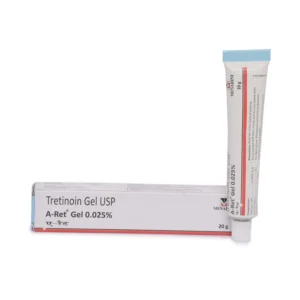
A Ret Gel 0.025% (Tretinoin)
$21.00 $58.00Price range: $21.00 through $58.00
Next product

Acrotac 10mg (Acitretin)
$52.00 $150.00Price range: $52.00 through $150.00
$20.00 $50.00Price range: $20.00 through $50.00
In Stock
In Stock
Acnesol Gel 1% (Clindamycin)
| Pack Size | Price | Quantity | Add To Cart | |
|---|---|---|---|---|
| 3 Tube | $20.00 | |||
| 6 Tube/s | $36.00 | |||
| 9 Tube/s | $50.00 | |||
| Want to order in bulk / B2B price? Send Inquiry | ||||
×
Sorry!! Out of Stock
Sorry! Acnesol Gel 1% (Clindamycin) is out of stock
Please click below to view other similar medications.
View All Clindamycin Products

Offer You Can't Resist
Free Shipping
Enjoy Free Shipping on Orders above AUD304 (USD199)
Estimate Shipping :
08 June - 15 June
25
Excellent service
Excellent service! My order was processed quickly and delivered on time. The medicines were well-packaged and exactly as described. Highly recommended.
 Australia
May 26, 2026
Last Updated on October 03, 2025

Description
Acnesol Gel 1% (Clindamycin): Effective Topical Treatment for Acne
Acne is a frequent skin problem that impacts thousands of people across the globe, particularly adolescents as well as young adults. Acne can lead to pimples, whiteheads, blackheads, and even painful cysts, which could affect your self-esteem and the overall quality of life. To treat acne efficiently, treatment options for acne, such as topical antibiotics such as Acnesol Gel 1 % which contains Clindamycin and clindamycin, are extensively used to control inflammation and bacterial growth in the face.
In this complete guide, we’ll discuss the basics of what Acnesol Gel 1% is, what it is, how it works with its applications, techniques, adverse reactions, safety measures, and suggestions for the best results.
What is Acnesol Gel 1%?
Acnesol Gel1% is a source of Clindamycin, both phosphate and an antibiotic that is part of the lincosamide family. It’s formulated as a cream-like gel that can be directly applied to the skin, specifically those that are affected by acne.
Clindamycin helps to fight the bacteria that are that cause acne. It also assists in reducing inflammation, stopping breakouts of acne from occurring, and aiding in promoting smoother, clearer skin.
How Does Acnesol Gel Work?
Acnesol Gel works by:
- By preventing the expansion of Propionibacterium acnes (now known as Cutibacterium acnes), which is the bacterium that causes acne.
- Inducing the reduction of inflammation chemicals released by bacteria thus reducing swelling and redness.
- Preventing the development of pimples in the future and promoting the healing process of acne lesions.
In reducing bacterial infections and inflammation, Acnesol Gel can improve the appearance of skin with acne.
Uses of Acnesol Gel 1%
Acnesol Gel 1.1% is mostly used to treat:
- Moderate to mildly inflammatory acne vulgaris
- Treatment of pustules, pimples, and papules that appear on the chest, face, back, and shoulders.
- In the combination treatment with other treatments for acne, such as benzoyl peroxide and retinoids.
This medication is not recommended for severe acne that is severe and requires additional systemic treatment.
How to Use Acnesol Gel 1%
- Cleanse your skin gently using a mild cleanser, then pat dry prior to applying.
- Apply a thin coat of Acnesol Gel on the areas affected once or every day, or according to the schedule advised by your physician.
- Beware of contact with the eyes, lips, or mucous membranes.
- Cleanse your hands following application of the gel.
- Keep treatment consistent regardless of whether symptoms improve, and prevent the recurrence of symptoms.
Possible Side Effects
A majority of people accept Acnesol Gel quite well; however, certain users may experience:
- Redness, irritation of the skin, or dryness
- A burning or stinging sensation at the site of application
- Peeling, itching, or itching on the skin
- Sometimes, allergic reactions occur, like rash or swelling
If the irritation is severe or continues to persist, contact your physician.
Precautions and Warnings
- Beware of using on damaged or damaged skin.
- Avoid applying near the eye or mouth.
- Tell your physician if you have an allergy to clindamycin or other antibiotics.
- Long-term use can lead to excessive growth of non-susceptible bacteria or fungal infections. Report any infections that develop to your physician.
- Beware of excessive exposure to the sun and apply sunscreen, as the skin could get more sensitive as a result of treatments.
Tips for Best Results
- Follow the instructions and try not to abuse applications.
- Make sure to incorporate a soothing regimen of skincare that consists of sunblock and moisturizers that are not comedogenic.
- Do not use heavy makeup or products for oily skin, which can aggravate acne.
- Make sure you are eating a balanced and healthy way of life to promote skin overall health.
- Consult your dermatologist if you notice no improvement after a few weeks.
When to See a Doctor
See your physician if you have:
- Acne that is severe or getting worse even after treatments
- The signs of a reaction to an allergen (swelling and rashes, difficulty breathing)
- Recurrent irritations or discomfort
- Indications of secondary infection, like increased redness, heat, or pus
Conclusion
Acnesol Gel 1% (Clindamycin) is an efficient antibacterial topical treatment that can help combat the acne-causing bacteria and decrease inflammation. If used regularly in conjunction with the complete regimen for skincare, this gel can greatly ameliorate moderate to mild acne as well as improve the appearance of skin.
If you’re struggling with acne and want the best solution, speak with your dermatologist regarding the possibility that Acnesol Gel1% could fit your skin.
Additional Information
| Manufacturer | Systopic Laboratories Pvt Ltd |
|---|---|
| Pharmaceutical | Gel |
| Strength | 1% |
| Pack Size | 3 Tube/s, 6 Tube/s, 9 Tube/s |
Related products

Recently Viewed

Reviews
There are no reviews yet.