

Acitrom 0.5mg (Nicoumalone)
Previous product
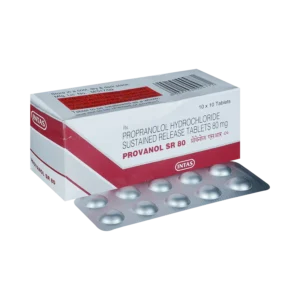
Propranolol 80mg (Propranolol)
$35.00 $62.00Price range: $35.00 through $62.00
Next product
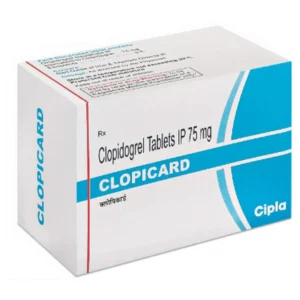
Clopicard 75mg (Clopidogrel)
$22.50 $40.00Price range: $22.50 through $40.00
$16.00 $23.00Price range: $16.00 through $23.00
In Stock
In Stock
Acitrom 0.5mg (Nicoumalone)
| Pack Size | Price | Quantity | Add To Cart | |
|---|---|---|---|---|
| 60 Tablet/s | $16.00 | |||
| 90 Tablet/s | $20.00 | |||
| 120 Tablet/s | $23.00 | |||
| Want to order in bulk / B2B price? Send Inquiry | ||||
×
Sorry!! Out of Stock
Sorry! Acitrom 0.5mg (Nicoumalone) is out of stock
Please click below to view other similar medications.
View All Nicoumalone Products
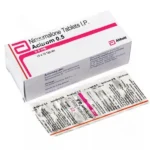
Offer You Can't Resist
Free Shipping
Enjoy Free Shipping on Orders above AUD304 (USD199)
Estimate Shipping :
08 June - 15 June
42
Last Updated on September 27, 2025

Description
Introduction
Acitrom 0.5mg is a medication that contains an active component, Nicoumalone is an anticoagulant that can be taken orally. medicine commonly prescribed to prevent and deal with blood clots. It’s particularly efficient in reducing the likelihood of stroke as well as deep vein thrombosis (DVT) and PE. (PE) because it blocks the development of dangerous blood vessel clots. Because it is an antagonist of vitamin K, Acitrom is a key factor in the treatment of patients suffering from various health conditions, which can lead to the formation of clots.
What is Acitrom 0.5mg?
Acitrom 0.5mg is an oral tablet that contains Nicoumalone is an oral anticoagulant, which can help to thin blood and avoid overly clotting. The medication belongs to the coumarin class, which is a vitamin K-dependent clotting factor found in the liver. These clotting elements are vital to the process of blood coagulation in the liver, and through a blockage of the synthesis of these factors, Acitrom reduces the blood’s capacity to create the clots.
How Does Acitrom 0.5mg Work?
The blood clotting process can be complicated and requires a variety of substances known as clotting factors. A lot of them require vitamin K in order to function. Nicoumalone is the active component found in Acitro, which is responsible for blocking vitamin K epoxide reductase, an enzyme that generates active vitamin K within the liver. The inhibition increases the creation of coagulation factors dependent on vitamin K, II, VII, IX, as well as X.
Through reducing these factors that cause clotting, Acitrom reduces the blood’s tendency to clot. This, in turn, makes it less likely to form dangerous blood clots, which may cause a heart attack or other issues.
Indications
Acitrom 0.5mg is prescribed to:
- Treatment and prevention of the condition known as venous thromboembolism (VTE), which includes deep vein thrombosis as well as pulmonary embolism.
- The prevention of strokes and embolism throughout the system in patients suffering from atrial fibrillation.
- The prevention of the formation of clots in those with mechanical valves of their heart valves.
- The treatment of certain blood-clotting disorders in which anticoagulation is required.
- Other thrombotic or cardiovascular conditions, according to a medical expert.
Dosage and Administration
Dosing Acitrom 0.5mg is very individual and is based on the regular measurement of blood clotting indicators and, in particular, what is known as the International Normalized Ratio (INR). INR is a measure of blood coagulation. INR is a reliable measurement that measures blood coagulation.
- The recommended starting dosage varies depending on the patient’s health condition. However, it generally, the dose is generally 2-4 mg per day.
- Doses for maintenance are regulated in accordance with INR numbers to ensure that the INR is within the therapeutic zone. It is usually between 2.0 to 3.0 for the vast majority of indications.
- The frequency of dosage adjustments is high at the beginning of treatment, but less frequently after you have reached your target INR.
- Tablets must be consumed by mouth with water. It is best to do this in the same order each morning.
- The regular blood tests are vital to ensure safety and efficacy.
Precautions and Contraindications
Since Acitrom can affect blood clotting, it is a medical condition that requires careful handling and comes with several important safeguards:
- Bleeding risk: Patients with Acitrom have a higher risk of bleeding, which includes internal bleeding, bruises, or bleeding that lasts for a long time from cut wounds.
- Regular INR monitoring: To avoid under- or over-anticoagulation, patients must have frequent INR checks.
- Pregnancy: Acitrom isn’t recommended when pregnant, specifically in the first trimester, due to the possibility of bleeding and fetal malformations.
- Drug and food interactions: A variety of medications and foods (especially ones rich in vitamin K, such as leafy greens) may affect Acitrom’s efficacy.
- Pre-existing conditions: Patients suffering from active bleeding from recent surgery, or with chronic kidney or liver diseases, must take Acitrom with caution or stay clear of the drug completely.
- Surgery and dental procedures: Be sure to inform your doctor before any procedure that is invasive because anticoagulation might require adjustments for the short term.
Common Side Effects
Although Acitrom is safe, it may cause adverse effects. The most common are due to bleeding issues:
- Small bleeding, such as bleeding gums or nose, or bruising that is easy to treat.
- Long-term bleeding due to cuts or abrasions.
- Gastrointestinal upset, such as nausea or stomach discomfort.
- Loss of hair or hair thinning in certain cases.
Many side effects are treatable. The majority of side effects can be controlled, especially when regular INR monitoring is used to keep levels of the drug at a safe level.
Serious Side Effects
The risk of serious complications is high, requiring immediate medical attention:
- Uncontrolled or severe bleeding, such as blood in urine or stool.
- Indications of hemorrhage in the intracranial area include severe headache and weakness, dizziness, or confusion.
- Allergies, including rash, swelling, or breathing difficulties.
- The sudden pain, swelling, or numbness could indicate a bleeding clot despite medical treatment.
If you notice any signs of serious illness, the need for urgent medical attention is crucial.
Benefits of Acitrom 0.5mg
- Effective prevention: Acitrom greatly reduces the chance of blood clots that could cause strokes and heart attacks, as well as embolism.
- Improved survival: Heart valves with mechanical components or atrial fibrillation greatly reduced by anticoagulation to reduce the risk of dying.
- Flexible dosing: The capability to monitor and alter dosages ensures a customized treatment to each patient’s individual needs.
- Wide availability: Acitrom is a readily available oral anticoagulant medication that is used worldwide.
Usage Tips
- Use Acitrom in the same dose every day, to ensure the blood level is stable.
- Make sure you have a healthy diet that is consistent, especially with regard to the intake of vitamin K.
- Beware of activities that are likely to increase the risk of bleeding, for example, contact sports.
- Be sure to inform all health professionals about the medication you’re taking, Acitrom.
- You should carry identification cards or alert cards that state you are taking an anticoagulant treatment.
Who Should Avoid Acitrom?
- Patients who have active bleeding or disorders of bleeding.
- Hypertension sufferers who are severely uncontrolled.
- Breastfeeding or pregnant women, unless they are specifically advised.
- People who have a hypersensitivity to Nicoumalone or its derivatives containing coumarin.
- Patients who cannot comply with the regular blood tests and monitoring.
Storage and Handling
Keep Acitrom 0.5mg tablets in a dry, cool location free of excessive sunlight and water. Be sure to keep them out of the pets’ and children’s reach. Don’t use the product until the expiry date is in the label.
Conclusion
Acitrom 0.5mg (Nicoumalone) is an important medication for people at risk of bleeding. The ability of this medication to stop the formation of clots through vitamin K antagonists is what has made it an essential component of anticoagulant therapy for a long time. Utilizing it under medical supervision, with frequent INR monitoring as well as adherence to medication and dietary recommendations to ensure that patients get maximal benefit while minimizing dangers.
If you’re prescribed Acitrom 0.5mg and you are prescribed it, it is vital to adhere to your doctor’s instructions, keep regular checks, and promptly report any symptoms that are unusual symptoms or negative side effects. Through careful treatment, Acitrom can help you to live a more secure, healthy lifestyle free of the pitfalls caused by blood clots.
Related products


Recently Viewed
Reviews
There are no reviews yet.