
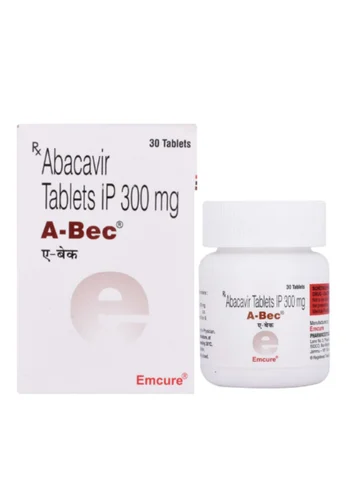
A-Bec (Abacavir)
Previous product
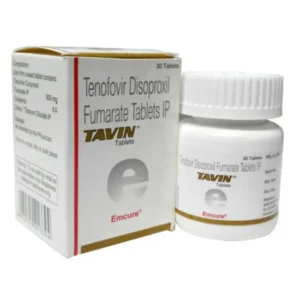
Tavin (Tenofovir)
$60.00 $143.75Price range: $60.00 through $143.75
Next product
Brivasign 50mg (Brivaracetam)
$35.00 $110.00Price range: $35.00 through $110.00
$68.00 $190.00Price range: $68.00 through $190.00
In Stock
In Stock
A-Bec (Abacavir)
| Pack Size | Price | Quantity | Add To Cart | |
|---|---|---|---|---|
| 30 Tablet/s | $68.00 | |||
| 60 Tablet/s | $130.00 | |||
| 90 Tablet/s | $190.00 | |||
| Want to order in bulk / B2B price? Send Inquiry | ||||
×
Sorry!! Out of Stock
Sorry! A-Bec (Abacavir) is out of stock
Please click below to view other similar medications.
View All Abacavir Products
Offer You Can't Resist
Free Shipping
Enjoy Free Shipping on Orders above AUD304 (USD199)
Estimate Shipping :
11 July - 18 July
36
Last Updated on September 22, 2025

Description
Antiretroviral Treatment You Can Rely On
A-Bec is a prescribed medication that contains Abacavir, which is the nucleoside reverse transcriptionase inhibitor (NRTI) that is used for treating HIV-1 infections. It is a drug that blocks the reproduction of human immunodeficiency Virus (HIV) inside the body. It helps lower the burden of viral infections and boost immunity when it is taken regularly as part of a combined therapy.
Abacavir is the cornerstone of contemporary HIV treatment. It is especially cherished because of its daily doses that are daily as well as its long-term safety records and efficacy in adult patients and treatment-naive adults.
Who Should Use A-Bec?
A-Bec is a prescription drug for:
- Aged adults and teens between 13 years old who have been diagnosed with HIV-1
- Patients who are starting antiretroviral therapy for the first time
- Patients are changing regimens due to the resistance of their regimen or side effects
- Patients who require a daily alternative as part of the combination therapy plan
There is no solution to HIV or AIDS; however, it plays an important function in long-term viral suppression as well as immune protection.
How A-Bec Works
A-Bec is a drug that contains Abacavir sulfate, which is part of the class of antiretrovirals referred to as the NRTIs (nucleoside reverse transcriptase inhibitors).
Mechanism of Action
| Action | Outcome |
| Inhibits reverse transcriptase | It prevents HIV from turning its RNA into DNA essential process in the replication of viruses |
| Blocks new viral DNA formation | Reduces and slows down the capacity of the virus to spread |
| Reduces viral load | Maintains immune function and helps stop the spread of diseases. |
Abacavir is best used together with two other antiretroviral medications to guarantee maximum efficacy and decrease the possibility of resistance.
How to Take A-Bec
Dosage Guidelines
- Adults and adolescents (≥13 years): 600 mg once a day, or 300 mg two times daily (as recommended by your physician)
- It is recommended to take it with other HIV medications
- Taken either with or without
If you don’t remember the dose, get the dose as soon as you remember. If it’s near the next dose scheduled, take the missed dose. Do not overdose.
Missed Dose
If you miss a dose, take it as soon as you remember. If it’s close to your next scheduled dose, skip the missed dose — do not double up.
Benefits of A-Bec
| Feature | Benefit |
| Once-daily dosing | Simple and quick to ensure it is easy to adhere to and convenient |
| Effective viral suppression | Lowers the HIV load to undetectable levels if employed correctly |
| Part of WHO-recommended therapy | Worldwide acclaimed for the best first-line treatment |
| Suitable for long-term use | It was well tolerated over the decades of use by the vast majority of patients |
| Can be co-formulated | Sometimes, fixed-dose combinations are used to create a simplified regimen |
Important Safety Information
Hypersensitivity Reaction (HSR)
One of the worst adverse effects that can occur from Abacavir is a hypersensitivity reaction, which could cause dangerous consequences. Before prescribing Abacavir to patients, medical professionals may conduct tests to determine the HLA-B*5701 gene. If they find it positive, patients shouldn’t take Abacavir.
Signs of HSR
Get medical attention immediately if you observe:
- Fever
- Rash
- Nausea or vomiting
- Fatigue
- Shortness of breath
- Cough
- Abdominal pain
Stop A-Bec for life in the event of hypersensitivity.
Other Side Effects
The majority of side effects are minor and treatable. These may include:
- Headache
- Loss of appetite
- Nausea or diarrhoea
- Fatigue or general malaise
The most serious and rare negative side effects may include liver disorders as well as lactic acidosis or the immune reconstitution syndrome. Consult your physician when symptoms continue or become worse.
Who Should Avoid A-Bec?
A-Bec might be inappropriate for:
- Test positively for the HLA-B*5701 allele
- Patients with the most severe liver diseases
- People who have a history of an allergic reaction to Abacavir or other ingredients contained in the formula
- Patients who have a family history of heart illness (risk of being analyzed)
The use of this product in the course of lactation or during pregnancy is subject to discussion with your physician.
Drug Interactions
A-Bec can be found in a small number of interactions in comparison to other antiretrovirals. However, it is still recommended to be taken with caution when using:
- Alcohol (may increase risk of liver problems)
- Methadone (may require dose adjustment)
- Additional antiretrovirals (should be combined on medical advice only)
Be sure to inform your physician of the medicines, supplements, medications, or herbal supplements you’re taking.
Storage Instructions
- Keep it in storage in a cool, dry place below 30°C
- Place in the original container to keep moisture out
- Use only up to the expiry date on the label
Be sure to keep away from pets and children.
Summary of A-Bec Benefits
| Key Benefit | Description |
| Effective HIV treatment | It reduces the viral burden and boosts CD4 count. |
| Convenient dosing | Twice or once a day based on your regimen |
| Long-standing global use | In multiple global and local HIV treatment guidelines |
| Well-studied safety profile | Researched extensively in adults as well as teens. Extensively studied in adults |
| Flexible for combination use | Incompatible with other antiretrovirals |
10 Unique Questions
What is A-Bec used to treat?
A-Bec is a treatment for the HIV-1 virus in combination with antiretroviral treatment.
How does Abacavir work?
It hinders reverse transcriptase, one of the enzymes HIV requires to reproduce, and reduces the ability of HIV to replicate.
Why is HLA-B*5701 testing important before taking A-Bec?
Individuals with this genetic variant have an increased risk of an extremely hypersensitive reaction to Abacavir and are advised not to take Abacavir.
What happens if I stop taking A-Bec suddenly?
A sudden discontinuation could trigger rapid viral rebound, which can increase the likelihood of resistance. Stop only under the supervision of a physician.
How soon does A-Bec start working?
The reduction in load caused by viral infection can be seen in a matter of days. Significant shifts typically occur within 4 to 8 weeks of regular application.
Why must A-Bec be combined with other HIV medicines?
Combination therapy is vital for preventing resistance and stopping HIV replication.
What should I do if I experience side effects?
Contact your doctor. The majority of side effects can be managed; however, reactions to allergens require the immediate cessation of treatment.
How is A-Bec stored safely?
Place in a cool and dry location, at least 30°C inside the container that was used, far from sunlight.
What if I miss a dose?
It should be taken as fast as you can. If you’re near the next dose, don’t take the dose you missed — do not double the dosage.
Why is adherence to A-Bec so important?
The continuous use of A-Bec keeps HIV levels in check and lowers the chance of developing drug resistance or the failure of treatment.
Related products

Reviews
There are no reviews yet.