
How to Combat High Blood Pressure?
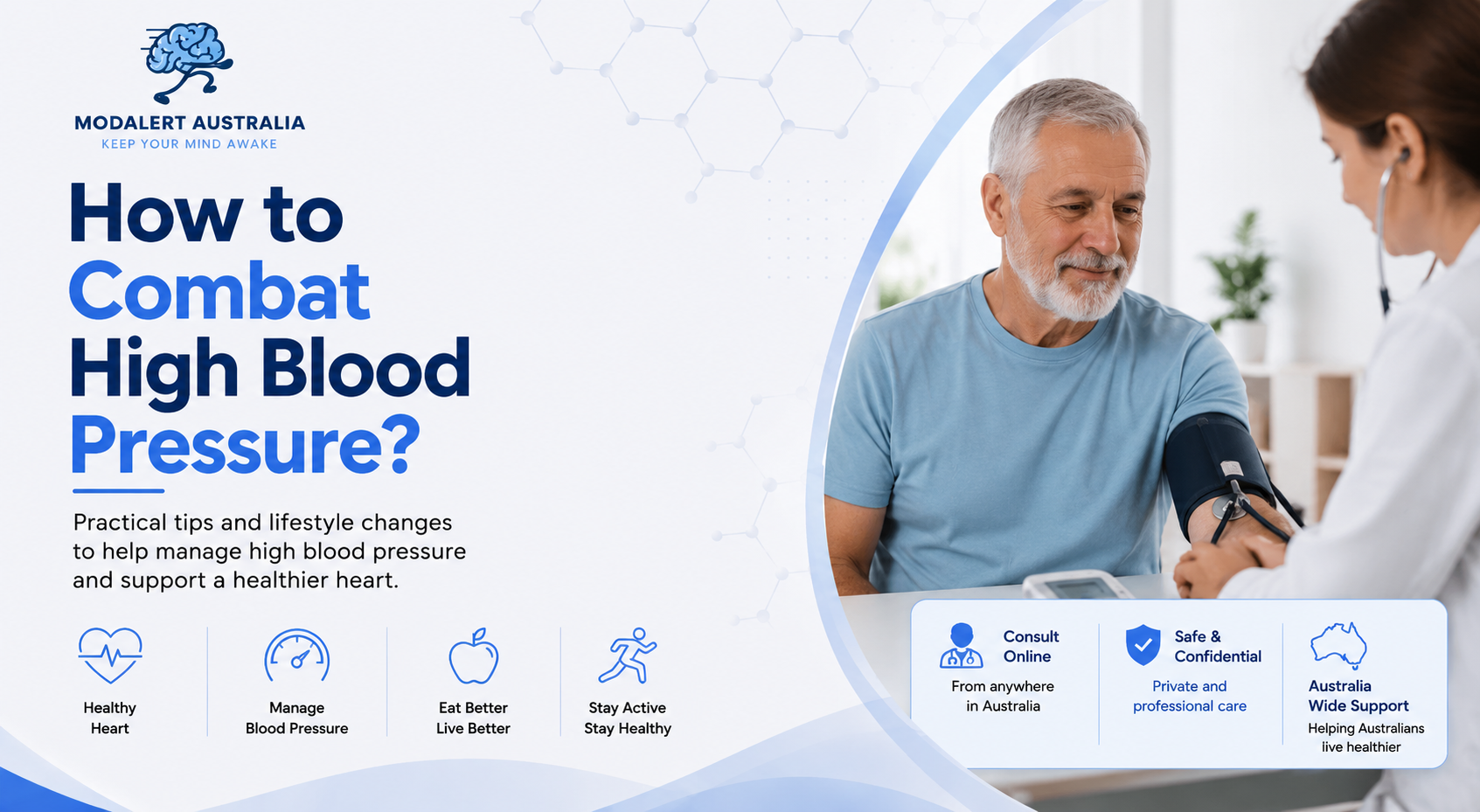
It’s a staggering number: 1.4 billion people around the world suffer from hypertension. Yet, less than one-fifth has it under control–a worldwide failure, not because of information, but of its application. Hypertension remains the most well-known risk factor for heart disease and stroke, kidney disease as well as all-cause mortality in the world, and these numbers remain the same for years despite the widespread recognition of the condition.
It is estimated that 2025 will be the year in which the WHO Global Hypertension Report makes the case for a serious issue, increasing the availability of affordable, simple treatment for only 50% of those affected can stop 76 million deaths in 2050, and help save 100 billion dollars each year in health care costs. If you are a reader on your own, it signifies that what you do to treat hypertension today can be a matter of life or death.
The best news, and it’s the truth, 2025 and 2026 are ushering in a new age of managing hypertension. The understanding of how to combat high blood pressure has progressed beyond the conventional advice to “eat less salt and walk more.”
This article offers a 2026-ready plan of action that incorporates current clinical guidelines, new medications, innovative devices and treatments, and precision medical techniques that are revolutionizing cardiovascular care.
The New Blood Pressure Landscape: What “Controlled” Means Now
Knowing how to combat high blood pressure by 2026 starts with understanding your goal. If you were a medical student prior to 2017 or if your physician had a medical degree, you may be using outdated standards. It is the 2025 AHA/ACC Guideline, which is the first major revision in the last eight years, and the brand new benchmark for global use is based on scientific evidence and defines the following categories:
| BP Category | Systolic (mm Hg) | Diastolic (mm Hg) | Action Required |
| Normal | < 120 | AND < 80 | Maintain healthy lifestyle |
| Elevated | 120–129 | AND < 80 | Intensive lifestyle changes; monitor |
| Stage 1 Hypertension | 130–139 | OR 80–89 | Lifestyle changes + medication if 10-year ASCVD risk ≥ 10% or established CVD |
| Stage 2 Hypertension | ≥ 140 | OR ≥ 90 | Lifestyle changes + initiate medication |
The 2025 AHA/ACC Blood Pressure Classification System
For all people, aside from the vulnerable or people with a short lifespan, the universal treatment objective is to keep blood pressure less than 130/80 mm Hg. This number, much less than 140/90, is the target of the majority of guidelines from earlier times is the simplest and most practical answer to the basic question of how to combat high blood pressure to bring the blood pressure down. And ensure it stays there.
Precision Medicine: Why “One-Size-Fits-All” is Obsolete
One of the biggest changes regarding how to combat high blood pressure is a shift away from the trial-and-error approach of prescribing to Pharmacogenomics (PGx) -matching medication with your personal genetic profile. Variations in genes that affect enzymes such as CYP2D6 as well as CYP3A4 determine how fast the body metabolizes common medications, including beta-blockers as well as calcium channel blockers.
Minipress XL 2.5mg (Prazosin)
Rated 0 out of 5
(0)
A$37.00 – A$57.00Price range: A$37.00 through A$57.00
Minipress XL 5mg (Prazosin)
Rated 0 out of 5
(0)
A$46.00 – A$70.00Price range: A$46.00 through A$70.00
Prazopress XL 2.5mg (Prazosin)
Rated 0 out of 5
(0)
A$28.00 – A$43.00Price range: A$28.00 through A$43.00

Prazopress XL 5mg (Prazosin)
Rated 0 out of 5
(0)
A$34.00 – A$51.00Price range: A$34.00 through A$51.00
Cilacar 5mg (Cilnidipine)
Rated 0 out of 5
(0)
A$12.00 – A$30.00Price range: A$12.00 through A$30.00
Cilacar 10mg (Cilnidipine)
Rated 0 out of 5
(0)
A$18.00 – A$50.00Price range: A$18.00 through A$50.00
Cilacar 20mg (Cilnidipine)
Rated 0 out of 5
(0)
A$25.00 – A$70.00Price range: A$25.00 through A$70.00
Cilacar T (Cilnidipine)
Rated 0 out of 5
(0)
A$22.00 – A$58.00Price range: A$22.00 through A$58.00
That means the same dosage of metoprolol may be ineffective for some people, and extremely effective for others. Additional genes of importance, like NOS3, ACE, and UMOD, impact your blood pressure control, and the polygenic risk score (PRS) can now determine risk for decades prior to the first sign of an increase in blood pressure. More cutting-edge is the patent that was granted in the month of July 2025 to the genetic test, which predicts the likelihood of you responding to kidney denervation, which is a process that uses a device before you take the procedure.
| Genetic Marker | Clinical Implication |
| CYP2D6 variants | Metoprolol, carvedilol metabolism |
| ACE I/D polymorphism | ACE inhibitor responsiveness |
| NOS3 variants | Endothelial function, BP regulation |
| UMOD variants | Salt sensitivity, diuretic response |
Key Genes Influencing Blood Pressure and Drug Response
How to combat high blood pressure by focusing: Begin by asking your physician if tests for pharmacogenomic risk are appropriate for your needs. If you have resistant hypertension–blood pressure that stays above goal despite three or more medications–screening for primary aldosteronism is now a Class 1 (must-do) recommendation regardless of potassium levels, because this surgically curable condition is far more common than previously believed and is massively underdiagnosed.
The Food Revolution: Salt Substitutes, Modified DASH, and the Potassium Breakthrough
The advice on diet for how to combat high blood pressure is being completely revised through 2025-2026 research. Potassium-enriched salt alternatives (70% sodium chloride and 30% potassium chloride) have been awarded a class 2a recommendation within the 2025 AHA/ACC guidelines, which is the most powerful recommendation ever given to the salt substitute that is based on large-scale randomised tests consistently proving significant blood pressure reductions when compared to standard salt.
An important meta-analysis that was published in December 2025 proved the fact that oral potassium supplements lower blood pressure at the clinic in patients with untreated hypertension in untreated hypertension, and the WHO is adamantly supporting the widespread acceptance of potassium-enriched salt with lower sodium alternatives in areas where kitchen cooking is the norm.
The DASH diet—Dietary Approaches to Stop Hypertension—remains the nutritional bedrock, but the 2025 update, published in JAMA Internal Medicine (June 2025), demonstrated that a diabetes-modified version (DASH4D) with lower sodium produced clinically meaningful blood pressure reductions in people with type 2 diabetes, precisely the high-risk population that needs it most.
How to combat high blood pressure with food in 2026:
- Change the salt shaker in favor of a potassium-rich substitute (unless you are suffering from an ongoing kidney condition, make sure you consult your physician before making any changes). The single switch could be the biggest dietary adjustment for blood pressure currently available.
- Choose DASH or Mediterranean styles with a focus on 8-10 portions of fruit and vegetables and dairy products that are low in fat, as well as whole grains and lean proteins. Limit sodium intake to 2,300 mg/day. The goal is to strive for 1,500 mg daily.
- If you are diabetic if you suffer from diabetes, inquire for information on the DASH4D procedure that aims to moderate the amount of potassium consumed to help protect kidney function, while also preserving the blood pressure advantages that come from DASH framework.
Exercise: The Isometric Revolution
When people think of how to combat high blood pressure via exercise, they think of jogging or cycling. However, the most effective exercise method for reducing blood pressure, as per the definitive review of 2025, could be something you practice against your wall. Isometric resistance training (IRT)–planks, wall sits, handgrips–reduced blood pressure by an average of 7.31 mm Hg systolic, and 3.90 mm Hg diastolic in 30 randomized research studies, which were comparable to the use of a lower-dose antihypertensive drug.
The study published in December 2025 revealed that just one workout of isometric planks dramatically reduced blood pressure ambulatory in younger adults suffering from prehypertension, as a dose-finding experiment that was completed in November 2025 proved that even a weekly IRT can result in significant drops, and three sessions each week are the best way to maximize its effect. The procedure is remarkably simple: 4 sets of 2 minutes of holds, at a 30-60% of your maximum effort. You should allow 2 minutes of relaxation between sets. Repeat the exercise 3-5 times per week.
IRT Protocol At-a-Glance
| Parameter | Recommendation |
| Exercise Type | Wall squat, handgrip, plank |
| Intensity | 30–60% of maximum voluntary contraction |
| Duration per set | 2 minutes |
| Sets per session | 4 |
| Rest between sets | 2 minutes |
| Frequency | 3–5 sessions per week |
If you are a fan of traditional exercises, aerobic activity remains very effective. Its 150 minutes of moderate intensity. However, IRT currently has the proof foundation to serve as a top-of-the-line exercise regimen for people who want to know How to combat high blood pressure
Stress and Sleep: The Missing Pillars
The 2025 guidelines specifically acknowledge the fact that how to combat high blood pressure extends beyond medications and diet, but also includes the mind as well as the cycle of the circadian rhythm. A systematic review and network meta-analysis published in BMJ Medicine (April 2025) evaluated relaxation and stress management techniques–breathing exercises, meditation, progressive muscle relaxation, biofeedback–and found significant short-term blood pressure reductions in the range of 3-5 mm Hg systolic across multiple modalities.
The most efficient methods were progressive muscle relaxation (PMR), breathing exercises, and biofeedback, which all dramatically reduced blood pressure as well as anxiety levels.
Sleep has also changed from being a mere footnote to an important part of the discussion. A 2025 controlled, randomized trial of the southern part of Turkey discovered that a short sleep hygiene program greatly improved sleep quality as well as blood pressure management in patients with critical hypertension. A different study of this magnitude found that the quality of sleep was highly associated with a decreased chance of progression from prehypertension into full-blown hypertension.
It is a biological process: nocturia (waking up to pee) and sleep fragmentation, as well as short duration of sleep altogether, can cause the nocturnal blood pressure dip, which is a major factor in the development of cardiovascular problems.
How to combat high blood pressure via sleep and the mind:
- Practice 5-10 mins of gradual, controlled breathing (4-7 seconds in, 8 seconds out) or the progressive muscle relaxation every day, at least once.
- Secure your 7 to 8 hours of sleep by having consistent bedtimes as well as wake-up times. Consistency in sleep is as important as the length of your sleep to regulate blood pressure control.
- Screening to detect the presence of obstructive sleep apnea–if you sleep a lot, get up exhausted, or suffer from morning headaches, then you might be in need of a sleep analysis.
Pharmacology 2026: New Drugs That Change the Game
If you need medication, the answer to how to combat high blood pressure has expanded dramatically. The FDA approved WIDAPLIK (telmisartan/amlodipine/indapamide) in 2026, the first and only single-pill triple-combination therapy approved for initial treatment–three evidence-based antihypertensives in one tablet taken once daily. In the case of about 10-15% of people with truely resistant hypertension baxdrostat an innovative aldosterone synthase antagonist, was approved for its New Drug Application accepted under FDA Priority Review in December 2025, following the conclusion of Phase III studies which have shown a statistically significant and clinically significant decrease in blood pressure systolic which was sustained even among those who were already who are taking more than three drugs.
Also, in the space of RNA-interference, zilebesiran–an injectable which blocks the gene responsible for angiotensinogen, and dosed every six months, will be advancing to clinical trials in the cardiovascular area of Phase 3 in 2025, and has the potential to resolve the issue of adherence for millions of patients.
Renal Denervation: A Device-Based Option for Resistant Hypertension
If you’re a patient who’s wondering how to combat high blood pressure in the event that medications aren’t sufficient, renal denervation (RDN) has evolved from the status of an experiment into an FDA-approved treatment that is currently being offered in local hospitals throughout the United States.
RDN utilizes ultrasound or radiofrequency energy passed through catheters to treat hyperactive sympathetic nerves around the renal arteries. These are a key component in the pathophysiology of hypertension. Each of the Symplicity Spyral (radiofrequency) and Paradise Ultrasound RDN systems is backed by FDA approval. In addition, the Paradise system was introduced with the national health insurance program in Japan in March 2026.
More advanced are the techniques that are currently being tested in human first-in-human tests. HyperQure RDN is a new approach to treating vascular disease. HyperQure RDN device utilizes radiofrequency energy outside of the artery through an approach that is laparoscopic approach, which could lead to a greater degree of complete denervation as compared to catheter-based approaches, and with 24-hour ambulatory systolic blood-pressure changes at three months being the main measure.
A second study, which was the first human-to-human study to be that was published in February 2026, revealed that circular ultrasound RDN that targeted branches and main renal arteries diminished ambulatory 24-hour blood pressure systolic by 16 mm Hg after 6 months.
| RDN System | Modality | Status (2026) |
| Symplicity Spyral (Medtronic) | Radiofrequency catheter | FDA-approved; clinical use |
| Paradise Ultrasound (Otsuka/Recor) | Ultrasound catheter | FDA-approved; launched in Japan with national coverage |
| HyperQure (extravascular) | Laparoscopic RF | First-in-human trials ongoing |
| Circumferential uRDN (Hantong) | Ultrasound balloon | First-in-human data published Feb 2026 |
Renal Denervation Landscape in 2026
How to combat high blood pressure by using RDN: This is not a primary treatment. RDN is an option for those suffering from high blood pressure that is uncontrolled despite the highest tolerated doses of 3 or more medicines, or for those with a tolerance to several classes of drugs.
The Wrist as a Diagnostic Tool: AI-Powered Wearables
The last frontier of how to combat high blood pressure is the detection of high blood pressure itself. Nearly half of the people suffering from hypertension don’t know the condition. However, smartwatches powered by AI are closing the gap in diagnosis.
In a prospective multicenter study published in December 2025, a multimodal AI system using only photoplethysmography (PPG) and accelerometer data from a standard consumer smartwatch–with no cuff calibration–detected hypertension with 65.8% sensitivity and 90.0% specificity against gold-standard 24-hour ambulatory blood pressure monitoring, meaning eight out of ten positive screenings were true positives. In the meantime, UNC-Chapel Hill created a two-PPG device that measured blood pressures within 1 millimeter Hg of the reference device, which is in line with the international standards for accuracy. The Apple Watch Series 11, released in September 2025, now includes a machine-learning-based hypertension predictor that uses pulse wave analysis to flag potential hypertension between clinic visits.
The Global Crisis: Why Implementation Matters
Despite the technical and pharmaceutical advancements, however, the overall image of how to combat high blood pressure remains bleak. 99 nations have national blood pressure control levels below 20%, and just 28% of the countries with low incomes have the five most important antihypertensive classes of drugs readily accessible.
The WHO report clarifies that the problem stems from execution and not proof: The tools are available and cost-effective, but they’re not reaching those who need them. Where implementation succeeds–Bangladesh, for instance, raised control rates from 15% to 56% in targeted regions between 2019 and 2025 by integrating hypertension services into primary care–deaths fall.
Your 2026 Battle Plan: A Pull-Together
How to combat high blood pressure by 2026 has become a mystery. The research is clear and the methods, ranging from salts based on potassium that you can find at your counter, to an AI-powered wristband that you can wear for your wrist, and an all-in-one triple-combination pill inside your medicine cabinet — are better than ever. The issue, as the WHO clarified, is just to do it.
Step 1: Be aware of your real number. Use a validated monitoring device for your blood pressure at home. You should take readings both in the early and late evenings over a minimum of three consecutive days. Then, review your results with your physician. The ideal treatment plan for every adult is 130/80 mm Hg, not 140/90.
Step 2: Implement high-precision tests. If you have resistant hypertension (above goal despite 3 drugs), make sure you are screened for primary aldosteronism. This is an official guideline requirement. Talk to your doctor regarding pharmacogenomic tests to aid in the selection of drugs.
Step 3: Build your lifestyle foundation—the 2026 version:
- Salt: Change to a potassium-enriched sodium alternative today. Set a goal of under 1,500 mg of sodium every day.
- Diet: You can adopt DASH, Mediterranean, or DASH4D in accordance with your metabolic health.
- Exercise: Planks or wall sits (4 × 2-minute hold, 3-5 times per week) into your workout routine in addition to the fact that you take aerobic workouts.
- Stress: Try 5-10 minutes of fast breaths or relaxation techniques that progress each day.
- Sleep:Create a regular 7-8-hour timer for your sleep. Check to prevent sleep Apnea.
Step 4: Explore the options for advanced treatment. If lifestyle and regular medications don’t suffice, talk about the WIDAPLIK (triple-combination pill) or baxdrostat (aldosterone synthase inhibitor) as well as kidney denervation with your physician.
Step 5: Monitor and iterate. If you own any compatible smartwatch, turn on the hypertension detection function for continuous monitoring. Utilize a blood pressure monitor on a regular basis, as well as keep a journal to send to your healthcare provider.
A One-Week DASH-Style Menu Plan
Implementing the evidence-based diet in practice calls for particularity. Below is a typical week-long menu that is aligned to the DASH eating principles as well as the 2025 guidelines that are updated, focusing on the importance of potassium-rich food items, whole grains, lean protein sources, and foods with low sodium.
| Day | Breakfast | Lunch | Dinner | Snack |
| Monday | Oatmeal with sliced banana, walnuts, and cinnamon | Lentil soup with whole-grain roll | Grilled salmon with roasted broccoli and quinoa | Greek yogurt with mixed berries |
| Tuesday | Whole-grain toast with avocado and poached egg | Quinoa salad with chickpeas, cucumber, tomato, and lemon dressing | Baked chicken breast with steamed green beans and sweet potato | A handful of unsalted almonds |
| Wednesday | Greek yogurt parfait with granola and fresh berries | Tuna salad (made with yogurt, not mayo) on whole-grain wrap | Stir-fried tofu with mixed vegetables and brown rice | Apple slices with peanut butter |
| Thursday | Smoothie: spinach, banana, almond milk, flaxseed | Leftover stir-fry from Wednesday dinner | Turkey chili with kidney beans, side of mixed greens salad | Baby carrots with hummus |
| Friday | Scrambled eggs with spinach and whole-grain toast | Mediterranean bowl: farro, grilled vegetables, feta cheese | Baked cod with lemon, asparagus, and wild rice | Low-fat cottage cheese with pineapple |
| Saturday | Whole-grain pancakes with fresh fruit and a drizzle of maple syrup | Spinach and strawberry salad with grilled chicken, walnuts, and vinaigrette | Lean beef stir-fry with bell peppers, snap peas, and brown rice | A piece of dark chocolate and herbal tea |
| Sunday | Vegetable omelet with whole-grain toast | Leftover beef stir-fry from Saturday dinner | Roast chicken with Brussels sprouts and mashed cauliflower | Mixed unsalted nuts and dried fruit |
A One-Week DASH-Style Menu Plan for Blood Pressure Control
Tip: When cooking in general and dining, make use of a potassium-enriched salt alternative to ordinary salt.
The Bottom Line
How to combat high blood pressure in 2026 requires more than a one-time solution, but rather an organized, scientific, and continually personalized method. The principles are simple: measure accurately and often, consume strategically (with potassium-based salt substitutes that are the leading technology) and exercise smartly (with isometric exercise as an effective first-line treatment), control stress, ensure sleep quality, take medications with precision (guided with pharmacogenomics if available), and make use of technology for the early detection of and constant monitoring.
For those who are fortunate to have access to the latest medical treatments and triple-combination drugs think about renal denervation if standard methods are not working. The global challenge is to make these methods accessible to everyone, since the most damaging thing about being aware of how to tackle high blood pressure, and not being able to achieve this, does know nothing at the beginning.
Disclaimer: This information is intended for educational reasons only. It is not a provide medical advice from a professional. Check with your doctor before beginning any exercise program, diet, medication, or supplement. This author is not a doctor.