
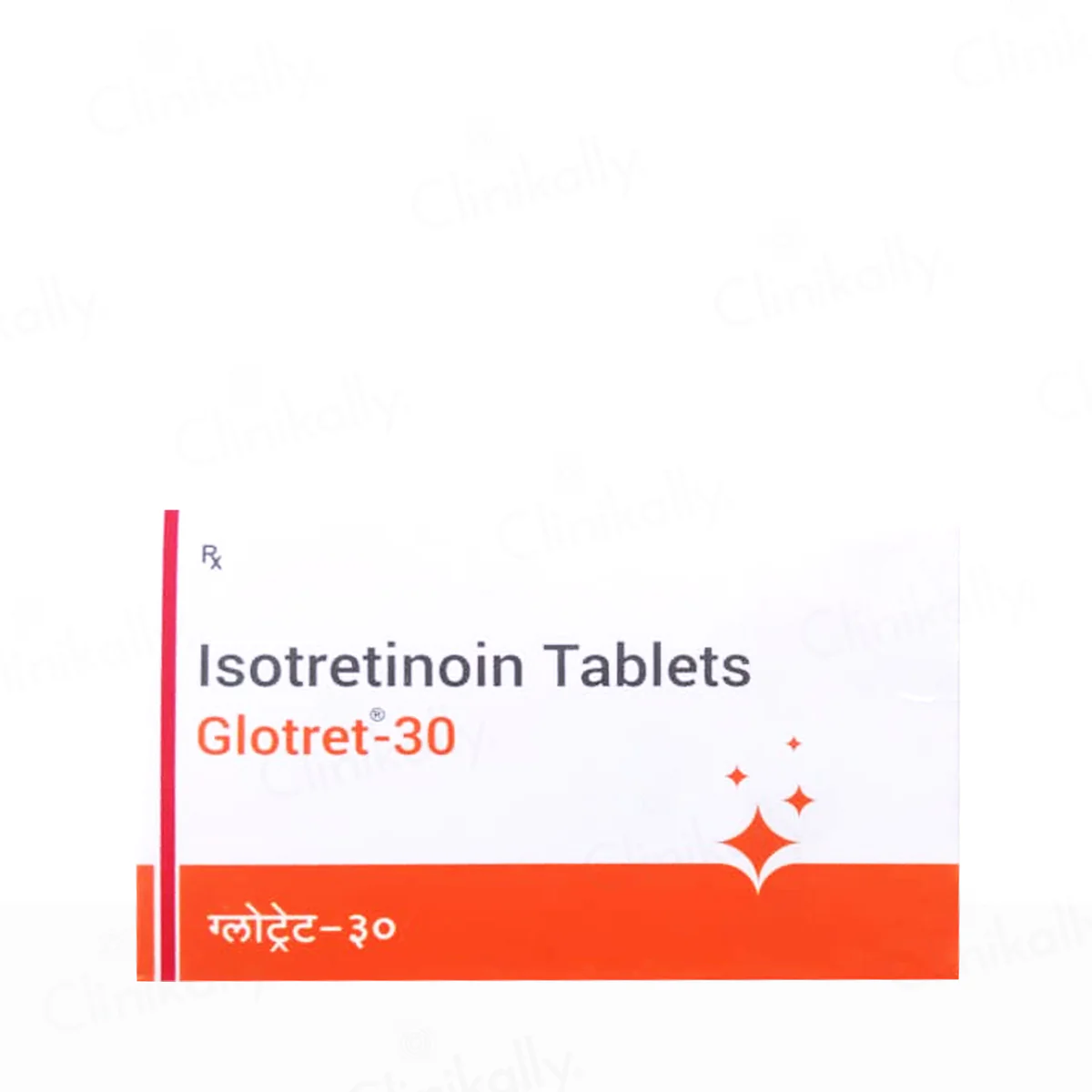
Glotret 30mg (Isotretinoin)
Previous product

Glotret 20mg (Isotretinoin)
$34.00 $97.00Price range: $34.00 through $97.00
Next product
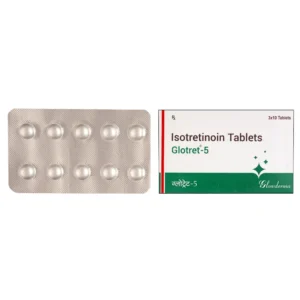
Glotret 5mg (Isotretinoin)
$26.00 $74.00Price range: $26.00 through $74.00
$42.00 $99.00Price range: $42.00 through $99.00
In Stock
In Stock
Glotret 30mg (Isotretinoin)
| Pack Size | Price | Quantity | Add To Cart | |
|---|---|---|---|---|
| 30 Tablet/s | $42.00 | |||
| 60 Tablet/s | $74.00 | |||
| 90 Tablet/s | $99.00 | |||
| Want to order in bulk / B2B price? Send Inquiry | ||||
×
Sorry!! Out of Stock
Sorry! Glotret 30mg (Isotretinoin) is out of stock
Please click below to view other similar medications.
View All Isotretinoin Products

Offer You Can't Resist
Free Shipping
Enjoy Free Shipping on Orders above AUD304 (USD199)
Estimate Delivery :
13 October - 20 October
29
Excellent service overall
Smooth checkout, quick dispatch, and secure delivery. Excellent service overall
 Australia
October 1, 2026
Last Updated on March 29, 2026

Description
Glotret 30mg (Isotretinoin): A Comprehensive Guide to Treatment and Safety
Acne is a typical skin disorder that affects individuals of any age and can cause physical discomfort as well as mental stress. If you have severe acne that doesn’t respond effectively to treatments other than Glotret 30mg, which contains an active ingredient, Isotretinoin is frequently recommended. It is well-known for its potent effectiveness, but it needs to be taken with caution due to the possibility of adverse side effects.
In this piece this article, we’ll go over everything that you should learn about Glotret 30mg (Isotretinoin) and what it does, how it works, and the uses it has, its precautions, as well as side effects and crucial questions.
What is Glotret 30mg?
Glotret 30mg is a prescription drug that has isotretinoin, which is a synthetic form of vitamin A. It’s part of a category of medications known as retinoids that regulate the growth of skin cells and lower the amount of oil produced by the skin. Glotret can be used to treat severe acne nodules that are severe which is not responding to treatment options such as prescription antibiotics or topical therapy.
How Does Isotretinoin Work?
Isotretinoin targets the causes behind acne:
- Reduces Sebum Production: It significantly reduces the quantity of oil (sebum) generated by the sebaceous glands of the skin. Sebum overflows can cause clogs in the pores and cause the growth of bacilli, which causes acne.
- Prevents Clogged Pores: It regulates the turnover of skin cells and prevents dead cells from building up, and also prevents hair follicles from growing.
- Reduces Inflammation: It can help reduce inflammation, which reduces redness and swelling that are associated with acne lesions.
- Limits Bacterial Growth: In reducing sebum and clearing pores, creating an environment that is less favorable for acne-causing bacteria, Propionibacterium acnes.
Who Should Use Glotret 30mg?
Glotret is usually prescribed to patients suffering from:
- Nodular or severe cystic pimples that have not improved through conventional treatments
- Acne that is a cause of severe scarring or mental distress
- Medical supervision is required for patients in light of the possibility of dangerous adverse effects
Due to its effectiveness, it isn’t the primary treatment option for moderate or mild acne.
How to Take Glotret 30mg
The Glotret oral tablet comes as capsules. Typically, it is taken once or two times a day, with meals to increase the absorption. The amount and length of treatment will be decided by your dermatologist depending on your body’s weight, the severity of your acne, and your response to the drug.
Typical Treatment Duration
The duration of the course is typically between 16-24 weeks; however, some patients might require extended treatment or additional sessions. Your physician will be monitoring the progress of your treatment closely and will alter the dosage if needed.
Important Precautions
Pregnancy and Birth Defects
It is very teratogenic, which means it could cause serious birth defects if used in pregnancy. Females who are pregnant must be aware of the following:
- Make sure you use at least two trustworthy types of contraception for one month before, throughout, and for at least one month following the cessation of treatment.
- Perform regular pregnancy tests according to the advice of your health professional.
- Don’t offer blood for donation during treatment or at least one month following treatment to avoid the medication harming other people.
Other Precautions
- Discuss with your physician any issues with your liver and diabetes before starting Glotret.
- Do not take vitamin A supplements or other retinoid-containing products when using isotretinoin for safety reasons.
- Do not use waxing or other treatments that could irritate your skin when you treat.
- Consumption of alcohol is to be controlled or avoided, as it could raise the risk of developing liver issues.
Possible Side Effects
Even though Glotret is extremely efficient, it may produce a variety of adverse effects. The most common are:
- Dryness of the skin, lips, eyes, and nose
- Itching and peeling of the skin
- Nosebleeds due to dryness
- Joint and muscle pain
- Sensitivity to sunlight (photosensitivity)
- A temporary increase in the severity of acne is seen as treatment begins
Serious Side Effects (Seek Immediate Medical Help)
- Vision changes or severe headaches
- Mood changes, depression, or suicidal thoughts
- The signs of liver issues, including jaundice (yellowing of eyes or skin)
- Severe allergic reactions such as rash, swelling, or difficulty breathing
Monitoring During Treatment
It is essential to have regular follow-up appointments for those using Glotret. Your doctor may request:
- Tests of blood to check the function of the liver and the levels of lipids
- Tests for pregnancy in women who are pregnant or have the potential to become mothers
- Periodic assessments of the conditions of the skin and mental health
How to Manage Side Effects
- Apply lip balms and moisturizers often to prevent dryness.
- Beware of prolonged sun exposure and always wear sunscreen.
- Maintain a healthy and hydrated body. Mild skin routine.
- If you notice any unusual symptoms, contact your physician immediately.
Frequently Asked Questions (FAQs)
Q1: How soon will I see results with Glotret 30mg?
A majority of patients experience improvement within 4 to 6 weeks. It can take a few months before seeing the full benefit. Sometimes, the acne might worsen but then improve.
Q2: Can I take Glotret if I am pregnant or planning to become pregnant?
No. Isotretinoin is known to cause severe birth defects and shouldn’t be administered in pregnancy. Contraception is strictly controlled prior to, during, and following treatment.
Q3: What should I avoid while taking Glotret?
Do not take vitamin A supplements. Please avoid the use of wax, treatments for skin that can cause irritation to the skin, or expose it to too much sun, as well as alcohol.
Q4: Can Glotret cause depression or mood changes?
A few patients have complained of mood swings or depression while in treatment. It is crucial to notify your doctor in the event of experiencing any symptoms of depression.
Q5: Is it safe to drink alcohol while on Glotret?
It is recommended to limit alcohol consumption or eliminate it, as it could raise the likelihood of liver damage as well as other adverse effects.
Q6: Can I use other acne medications with Glotret?
Most commonly, all other acne treatments, such as topical retinoids or exfoliants, should be avoided unless prescribed by your physician.
Q7: How long does a typical course of Glotret last?
Treatment typically lasts from 4 to 6 months. The time frames vary based on patients’ responses as well as the severity of acne.
Q8: What happens if I miss a dose?
You should take the dose missed immediately after you recall. If the dose is near the time of your next dose, you can skip the missed dose. Avoid double doses.
Conclusion
Glotret 30mg (Isotretinoin) is an effective and reliable treatment for severe acne that is severe and does not respond to any other treatment. Although it has significant advantages in treating acne and stopping damage to the skin, it must be used with care and under the supervision of a medical professional because of the potential for serious side effects, specifically in relation to mental health.
Additional Information
| Active Ingredient: | Isotretinoin |
|---|---|
| Indication: | Acne |
| Manufacturer: | Glowderma Lab Ltd. |
| Strength: | 30mg |
| Packaging: | 10 Tablets in 1 Strip |
| Delivery Time: | 7 To 15 days |
Related products

Reviews
There are no reviews yet.