
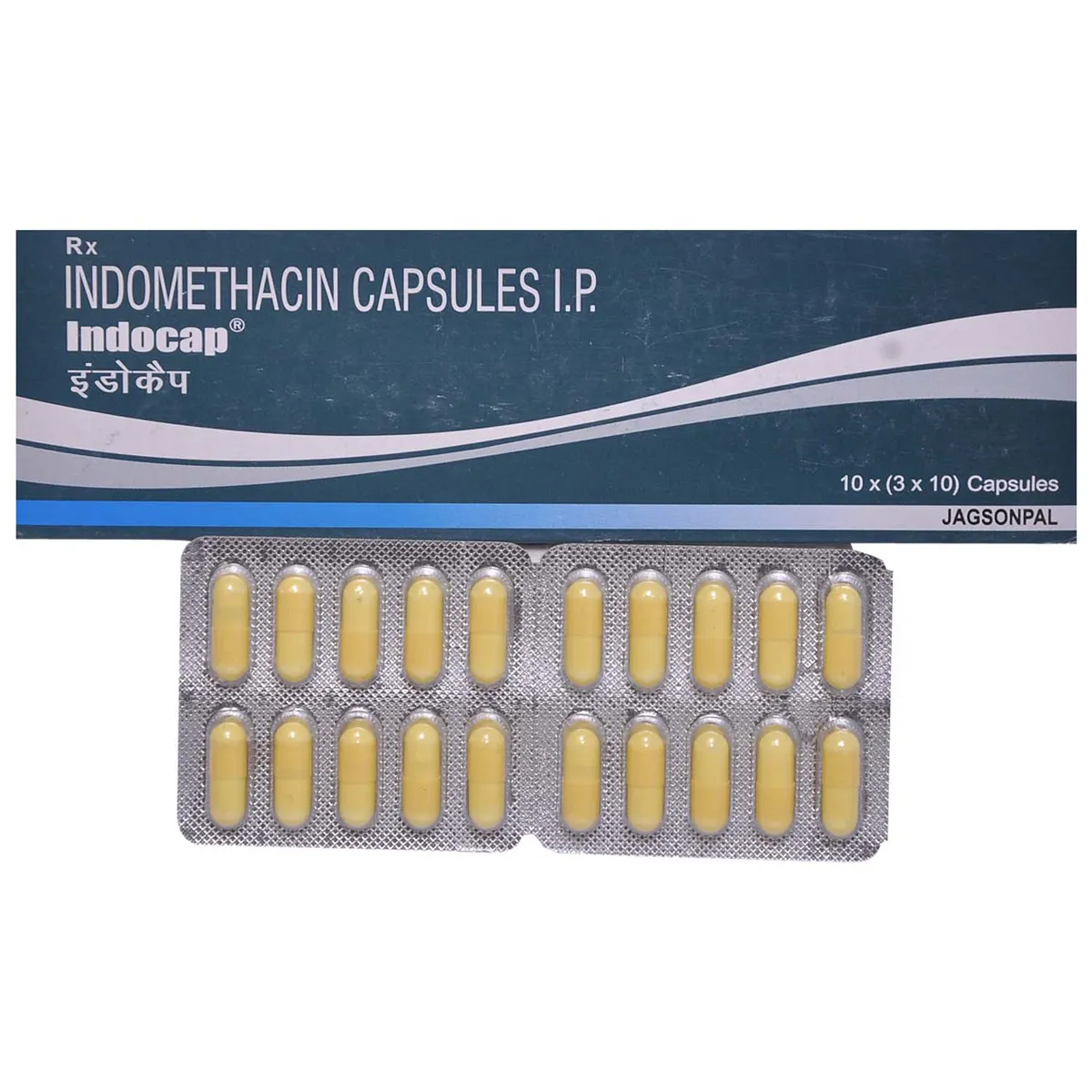
Indocap 25mg (Indomethacin)
Previous product
Water for Injection 10ml (Sterile WFI)
A$11.55 A$25.99Price range: A$11.55 through A$25.99
Next product
Chymoral Forte 100000AU (Trypsin Chymotrypsin)
A$43.32 A$93.86Price range: A$43.32 through A$93.86
A$43.32 A$72.20Price range: A$43.32 through A$72.20
In Stock
In Stock
Indocap 25mg (Indomethacin)
| Pack Size | Price | Quantity | Add To Cart | |
|---|---|---|---|---|
| 60 Capsule/s | A$43.32 | |||
| 90 Capsule/s | A$57.76 | |||
| 120 Capsule/s | A$72.20 | |||
| Want to order in bulk / B2B price? Send Inquiry | ||||
×
Sorry!! Out of Stock
Sorry! Indocap 25mg (Indomethacin) is out of stock
Please click below to view other similar medications.
View All Indomethacin Products


Offer You Can't Resist
Free Shipping
Enjoy Free Shipping on Orders above AUD304 (USD199)
Estimate Delivery :
10 September - 17 September
44
Secure Packaging
My order was packaged carefully and arrived in good condition. The whole process was handled professionally, and communication was excellent. Thank you for the great service
 Australia
August 18, 2026
Last Updated on April 13, 2026

Description
What is Indomethacin?
Indomethacin is a powerful non-steroidal anti-inflammatory medication (NSAID) used to lessen pain, inflammation, and fever. It belongs to the class of derivatives of arylacetic acid of NSAIDs.
Indocap 25 mg is the name given to the capsule of 25 mg or tablet dosage type of indomethacin.
Mechanism of Action
Indomethacin is effective in the same way by blocking the enzyme cyclooxygenase (COX) enzymes, COX-1 as well as COX-2 and COX-2, involved in converting arachidonic acids into prostaglandins. Prostaglandins play a role in the treatment of discomfort, inflammation, and fever.
- Inhibiting prostaglandin production, Indomethacin decreases inflammation and reduces pain.
- Additionally, it has antipyretic (fever-reducing) benefits.
Indications
Indomethacin is often prescribed to treat:
- Rheumatoid arthritis
- Osteoarthritis
- Ankylosing spondylitis
- Gouty arthritis (acute gout attacks)
- Bursitis and tendonitis
- Inflammation and pain resulting caused by musculoskeletal traumas
- Patent the ductus arteriosus (PDA) closure for newborns (off-label usage)
Dosage and Administration
- A typical adult dose for inflammatory and arthritis conditions:
25 mg twice to three times per day, increased depending on response and tolerance. - In the case of acute gout attacks dosages with higher doses at first can be administered (e.g., 50 mg every 6 – eight hours).
- Tablets and capsules are best taken alongside food or drink for a reduction in gastrointestinal irritation.
- Need to adjust dosages in patients who are elderly or suffer from renal or liver impairment.
Side Effects
Common Side Effects:
- Gastrointestinal upset (nausea, vomiting, abdominal pain)
- Indigestion, diarrhea, or constipation
- Headache, dizziness
- Increased blood pressure
Serious Side Effects:
- Gastrointestinal bleeding or ulceration
- Acute kidney impairment or deterioration in function
- Heart disease risks (e.g., stroke, heart attack) during prolonged use
- Hypersensitivity reactions (rash, anaphylaxis)
- CNS symptoms like depression and confusion (more prevalent in the elderly)
Precautions and Contraindications
- Do not use in patients suffering from active peptic ulcer or a history of GI bleeding.
- Take care when administering this medication to patients who have a high risk of cardiovascular disease or with other risk factors.
- Do not recommend late-term gestation (third trimester) due to the possibility of fetal problems.
- Examine the function of your liver and kidneys in the long-term course of use.
- Do not use in conjunction with the use of other anticoagulants and NSAIDs, unless under medical guidance.
- It is not recommended for patients who are known to have hypersensitivity to indomethacin and other NSAIDs.
Drug Interactions
- Increases the risk of bleeding when taking Anticoagulants (warfarin).
- The effectiveness of antihypertensives is reduced (ACE inhibitors and diuretics).
- It could interact with lithium, methotrexate, and other nephrotoxic medications.
- Take care when taking corticosteroids in order to minimize the risk of GI ulcers.
Storage
- Keep at room temperature, free of heat and moisture.
- Be sure to keep away from youngsters.
Summary
Indocap 25 mg (Indomethacin) is a strong NSAID that is employed to relieve pain, inflammation, and fever in various musculoskeletal as well as rheumatic diseases. Though it’s effective, it has the risk of renal, gastrointestinal, and cardiovascular side effects, which require careful choice, dosage, as well as surveillance.
Related products

Recently Viewed
Reviews
There are no reviews yet.