

Hepcdac 60mg (Daclatasvir)
Previous product
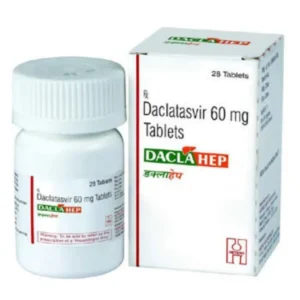
Daclahep 60mg (Daclatasvir)
A$240.00 A$575.00Price range: A$240.00 through A$575.00
Next product
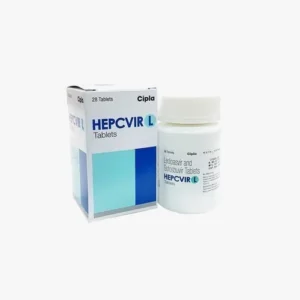
Hepcvir L 400/90mg (Sofosbuvir/Ledipasvir)
A$350.00 A$990.00Price range: A$350.00 through A$990.00
A$113.00 A$256.00Price range: A$113.00 through A$256.00
In Stock
In Stock
Hepcdac 60mg (Daclatasvir)
| Pack Size | Price | Quantity | Add To Cart | |
|---|---|---|---|---|
| 28 Tablet/s | A$113.00 | |||
| 56 Tablet/s | A$175.00 | |||
| 84 Tablet/s | A$256.00 | |||
| Want to order in bulk / B2B price? Send Inquiry | ||||
×
Sorry!! Out of Stock
Sorry! Hepcdac 60mg (Daclatasvir) is out of stock
Please click below to view other similar medications.
View All Daclatasvir Products

Offer You Can't Resist
Free Shipping
Enjoy Free Shipping on Orders above AUD304 (USD199)
Estimate Delivery :
12 October - 19 October
49
Excellent service overall
Smooth checkout, quick dispatch, and secure delivery. Excellent service overall
 Australia
October 1, 2026
Last Updated on March 30, 2026

Description
Hepcdac 60mg (Daclatasvir): Everything You Need to Know
Chronic Hepatitis C virus (HCV) disease remains one of the major health challenges facing humanity that affects millions of people across the globe. If not treated, Hepatitis C may result in serious liver issues like cirrhosis as well as cancer of the liver. With advancements in antiviral therapy, efficacious treatments are now available to eliminate the virus and prevent damage to the liver.
One of these is Hepcdac 60mg, and its main substance includes Daclatasvir. It’s part of the new class of antivirals acting directly (DAAs), which have changed Hepatitis C treatment by offering better cure rates, shorter treatment durations, as well as fewer adverse effects than older treatments.
This complete guide will outline the Hepcdac 60mg and how it functions, dosage, as well as safety information, along with the most important aspects for patients.
What is Hepcdac 60mg (Daclatasvir)?
Hepcdac is a prescribed antiviral drug that contains Daclatasvir 60 mg tablets. Daclatasvir is classed as a direct-acting antiviral drug that is used for treating chronic Hepatitis C by limiting and blocking an essential protein for viral replication.
In contrast to older treatments based on interferon, Hepcdac works by directly preventing the virus from growing and assisting the immune system to rid itself of the infection faster and in a safe way.
How Does Daclatasvir Work?
Daclatasvir targets protein NS5A from the Hepatitis C virus. It is believed that the NS5A protein is vital in viral RNA replication as well as the creation of new viruses. Through the inhibition of NS5A, Daclatasvir alters the viral development cycle and prevents it from reproducing and spreading in liver cells.
Due to its specific viral protein, Daclatasvir is very efficient and is generally tolerated with minimal systemic side reactions compared to other therapies.
Indications and Uses of Hepcdac 60mg
Hepcdac is prescribed to treat the management of chronic Hepatitis C infections. It is usually used alongside other antiviral medications like Sofosbuvir to increase effectiveness.
Approved uses include:
- Treatment for persistent Hepatitis C genotype 1, 2, 3, and occasionally 4 infections.
- In patients suffering from associated liver disorders that are compensated (with or without cirrhosis).
- It is effective in non-treated patients as well as patients who have not responded to prior antiviral treatment.
The specific combination and duration will be determined by the viral genotype, liver damage, previous treatments, and other specific aspects.
Dosage and Administration
- The most common dose of Hepcdac amounts to 60 mg per day.
- It’s best when used together with other antivirals, usually Sofosbuvir.
- The length of your treatment usually can vary from 12 to 24 weeks according to your physician’s evaluation.
- It is a good option to take it in combination with or without meals.
- Take the tablet as a whole, swallowing it by drinking water. Don’t chew or crush the tablet.
- Follow the physician’s guidelines with care.
Important Precautions
- Contact your physician before beginning Hepcdac to confirm that you are receiving the right treatment for you.
- Discuss with your physician if you suffer from other liver problems or diseases, including Hepatitis B or HIV.
- Be sure to inform your doctor of any other supplements or medications that you are taking, since Hepcdac may interact with other medications.
- Beware of alcohol and other substances that can harm your liver in the course of treatment.
- The regular testing of your blood will be necessary to keep track of the liver’s function as well as the levels of the virus during your treatment.
Potential Side Effects
Hepcdac is typically well tolerated. But some suffer mild to moderate adverse effects, including:
- Headache
- Fatigue or tiredness
- Nausea
- Diarrhea
- Insomnia
- Anemia (especially when used with ribavirin)
If you are experiencing serious side effects like allergic reactions (rash or swelling, trouble breathing) and severe fatigue or indications of liver disease (yellowing eyes or skin and darker urine), seek medical attention immediately.
Drug Interactions
Daclatasvir may interact with other drugs, and this could alter its efficacy or cause increased negative effects. The most frequent interactions are:
- Certain antifungals (ketoconazole)
- Some antibiotics (rifampin)
- HIV medications (efavirenz, ritonavir)
- St. John’s Wort (herbal supplement)
Make sure you inform your physician regarding all medications, such as over-the-counter drugs as well as herbal supplements, to prevent interactions.
Who Should Not Use Hepcdac?
- People who are allergic to Daclatasvir or other ingredients found that are in Hepcdac.
- Patients suffering from significant liver impairment or decompensated cirrhosis are prescribed under medical surveillance.
- Women who are pregnant or nursing should talk about risks and benefits with their physician.
- Patients who are taking medications that are contraindicated.
Benefits of Hepcdac Therapy
- High cure rates: When properly used, Daclatasvir regimens are able to achieve sustained responses to viral infections (SVR) levels of over 90%, effectively treating Hepatitis C.
- Shorter treatment duration: The most common treatments last around twelve weeks. This is considerably less than the older interferon treatments.
- Better safety profile: More minimal side effects when in comparison to interferon and Ribavirin.
- Oral therapy: The absence of injections is a great improvement in the patient’s adherence.
Summary
Hepcdac 60 mg (Daclatasvir) is a major breakthrough in the treatment of chronic Hepatitis C. Through a specific targeting of specific regions of the NS5A Protein, the drug efficiently blocks the reproduction of the virus. It also assists people with the disease in achieving total elimination of the virus and prevents long-term damage to the liver.
The patients who are prescribed Hepcdac must adhere to the dosage exactly as prescribed. They should also maintain regular visits to their healthcare doctor, and refrain from drinking any alcohol or any other liver-related toxins when they are taking treatment.
If you, or someone else you know, suffer from an ongoing condition of Hepatitis C, talk to an expert in healthcare to determine the possibility that Hepcdac or one of the other direct-acting treatments is the best option for you.
Related products

Reviews
There are no reviews yet.