

Cellcept (Mycophenolate Mofetil)
Previous product


Loceryl Nail Lacquer (Amorolfine)
$15.00 $43.00Price range: $15.00 through $43.00
Next product
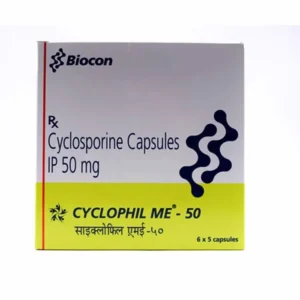
Cyclophil Me 50mg (Cyclosporine)
$35.00 $101.00Price range: $35.00 through $101.00
$108.00 $312.00Price range: $108.00 through $312.00
In Stock
In Stock
Cellcept (Mycophenolate Mofetil)
| Pack Size | Price | Quantity | Add To Cart | |
|---|---|---|---|---|
| 30 Tablet/s | $108.00 | |||
| 60 Tablet/s | $212.00 | |||
| 90 Tablet/s | $312.00 | |||
| Want to order in bulk / B2B price? Send Inquiry | ||||
×
Sorry!! Out of Stock
Sorry! Cellcept (Mycophenolate Mofetil) is out of stock
Please click below to view other similar medications.
View All Mycophenolate Mofetil Products
Offer You Can't Resist
Free Shipping
Enjoy Free Shipping on Orders above AUD304 (USD199)
Estimate Shipping :
16 June - 23 June
27
Best quality product
Best quality product, Great prices and fantastic customer service. Highly recommended for my Australian Friends.
 Australia
May 29, 2026
Last Updated on November 27, 2025

Description
Effective Immunosuppressant Therapy for Transplant Patients
Cellcept has mycophenolate mofetil, an effective anti-inflammatory medication to avoid rejection of organs following kidney, heart, and liver transplants. Cellcept helps patients keep the balance of their immune system by limiting the attack of the immune system against the organ that has been transplanted organ.
What is Cellcept?
Cellcept is an orally administered immunosuppressant that blocks the growth of B and T lymphocytes, which are the most important cells in the process of organ rejection. It’s often used in conjunction with other immunosuppressants like ciclosporin as well as corticosteroids for an effective method of preventing rejection.
How Does Cellcept Work?
Mycophenolate Mofetil blocks an enzyme, called inosine monophosphate dehydrogenase (IMPDH), which is vital for the production of the guanine nucleotides. By blocking the enzyme, Cellcept reduces the number of cells that are responsible for attacking the transplanted organ, which reduces the chance of rejection.
Key Benefits of Cellcept
- Prevents acute and chronic organ rejection
- Supports long-term graft survival
- Compatible with various drugs that suppress the immune system
- It is available as tablets and capsules for oral use. Forms to allow for an individualized dose.
- It is widely used and clinically established
How to Use Cellcept
- Make sure you follow the exact instructions of your physician.
- Usually, it is administered two times a day, either with or without food.
- Take tablets or capsules whole. Do not crush them or chew them.
- Don’t stop or alter the dosage without consulting your physician.
- Monitoring of blood count and kidney function is vital for the treatment.
Who Should Use Cellcept?
- Patients who have recently had the procedure of a heart or kidney transplant, as well as liver transplantation.
- People at risk of developing rejection of organs that require immunosuppressive treatment.
- Cellcept is prescribed to patients as a part of their post-transplant treatment plan.
10 Common Questions About Cellcept
-
What is the main use of Cellcept?
To avoid rejection of organs transplanted by inhibiting the activity of the immune system.
-
How soon after transplant should Cellcept be started?
The process is usually initiated immediately before or just after the transplant operation.
-
Can Cellcept be used alone?
The medication is typically recommended in conjunction with other immunosuppressants to maximize security.
-
What are common side effects?
The side effects can include digestive symptoms (nausea and diarrhoea) as well as infections and lower blood counts.
-
Does Cellcept increase infection risk?
Yes, it does, as it weakens the immune system, thereby making people more prone to infection.
-
Is pregnancy safe while taking Cellcept?
No, there is no way Cellcept can cause serious birth problems. An effective contraceptive is necessary both during and following the treatment.
-
Can Cellcept interact with other medications?
Yes, absolutely, particularly other immunosuppressants, including antivirals, as well as certain antibiotics.
-
How should Cellcept be stored?
Maintain below 30°C storage in a dry location that is protected from moisture and light.
-
What monitoring is needed during treatment?
Regular blood tests are used to check the kidneys’ function, blood count, and levels of drugs.
-
Can Cellcept cause allergic reactions?
Allergic reactions that cause a serious allergic reaction are uncommon; however, they require medical attention immediately.
Important Safety Information
Cellcept is to be taken under the strict supervision of a medical professional due to its immunosuppressive properties and possible side effects. Be sure to follow the prescribed dosages and be present for all regular medical examinations in order to guarantee the safety and effectiveness of treatment.
Final Thoughts
Cellcept (mycophenolate mofetil) is a key component of the post-transplant process, helping patients shield their organs after transplant and enhancing their long-term results. Its efficacy has been proven, and its integration with other treatments makes it an integral component of a variety of immunosuppressive treatments.
Additional Information
| Manufacturer | Roche Products India Pvt Ltd. |
|---|---|
| Pharmaceutical | Tablet/s |
| Strength | 500mg |
| Pack Size | 30 Tablet/s,60 Tablet/s,90 Tablet/s |
Related products


Recently Viewed

Reviews
There are no reviews yet.